Dry (metta) land near Amaravati: what it gets under pooling
Metta is the revenue word for land that is not irrigated. Most of Pedaparimi and the western villages is metta land, and under the LPS it gets the smaller commercial entitlement.
Last reviewed
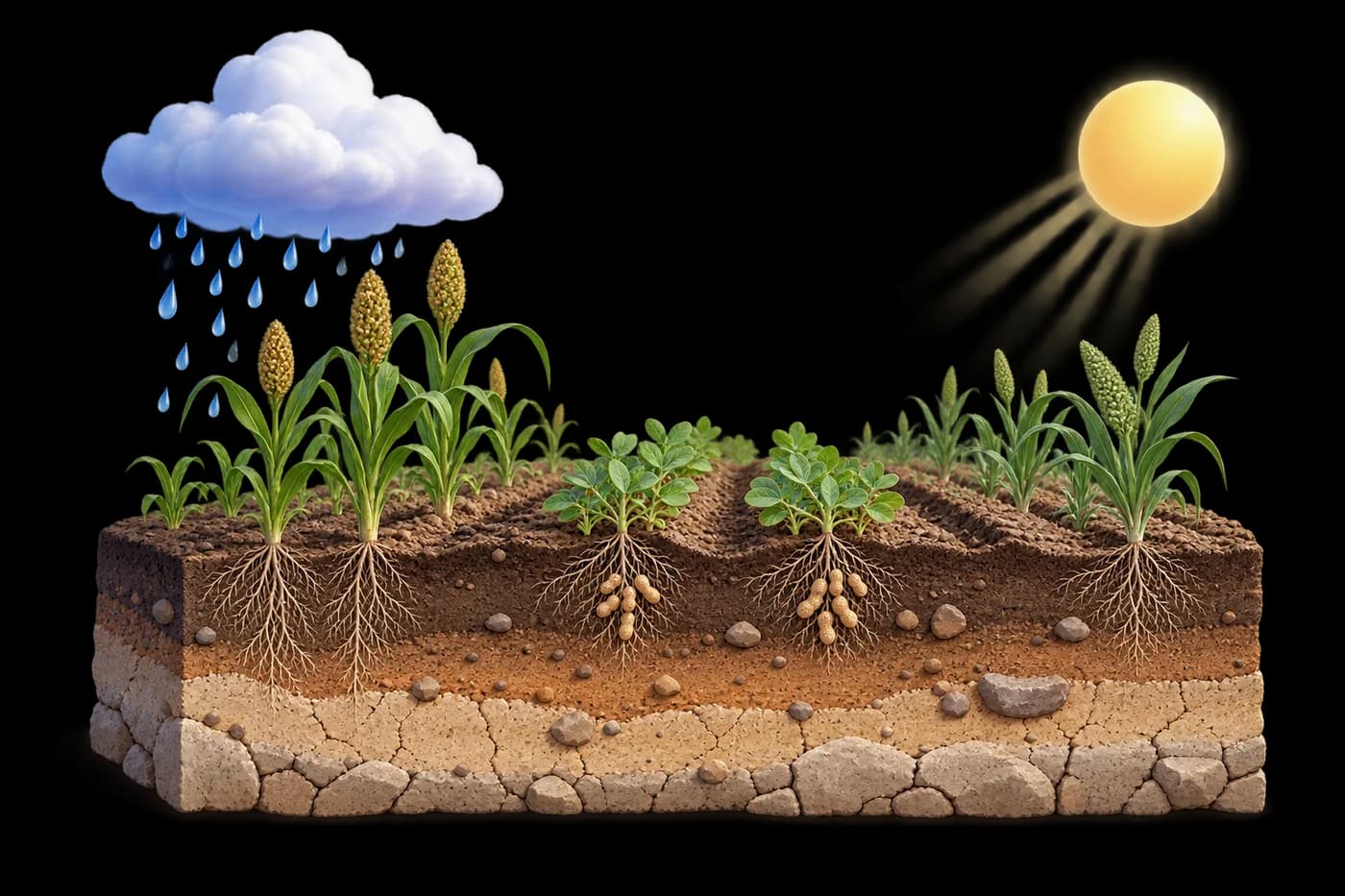
What dry land gets under the LPS
| Item | Dry land per acre |
|---|---|
| Residential plot | 1,000 sq yards |
| Commercial plot | 250 sq yards |
| Annuity (2025 rules) | ₹30,000 with ₹3,000 yearly increments, 10 years |
| Annuity for agreements from 12 Jun 2024 | ₹40,000 reported |
Where most of the land is dry
Away from the Krishna and the canals: Pedaparimi, Harischandrapuram, the Thullur uplands and much of Tadikonda mandal. In Phase 1, pooling also moved fastest in the dry-land villages. Rain-fed cotton and chillies earned little, so the LPS offer looked good to those farmers.
What to check
- Confirm the category on the pahani. Some parcels have bore-well irrigation but are still metta in the record.
- Confirm the access. Many dry parcels sit behind other fields and are reached only by customary paths.
- If the land is in a Phase 2 village, confirm its pooling status before you price it on the entitlement.
Questions people ask
Does bore-well irrigation make land jareebu?
No. Jareebu is a revenue classification linked to registered irrigation sources, such as canals and the river. A bore-well on metta land does not change the record or the LPS entitlement.
Want a straight answer about a plot or a village?
We live and work in the capital villages. Send the survey number or LP number and we will tell you what we know, including the things that should make you pause.