APCRDA plot search: by farmer name, by village, by LP number
APCRDA publishes searchable reports on who pooled land, which returnable plots have changed hands and which plots have been allotted. They are the quickest official check on any plot someone offers you.
Last reviewed
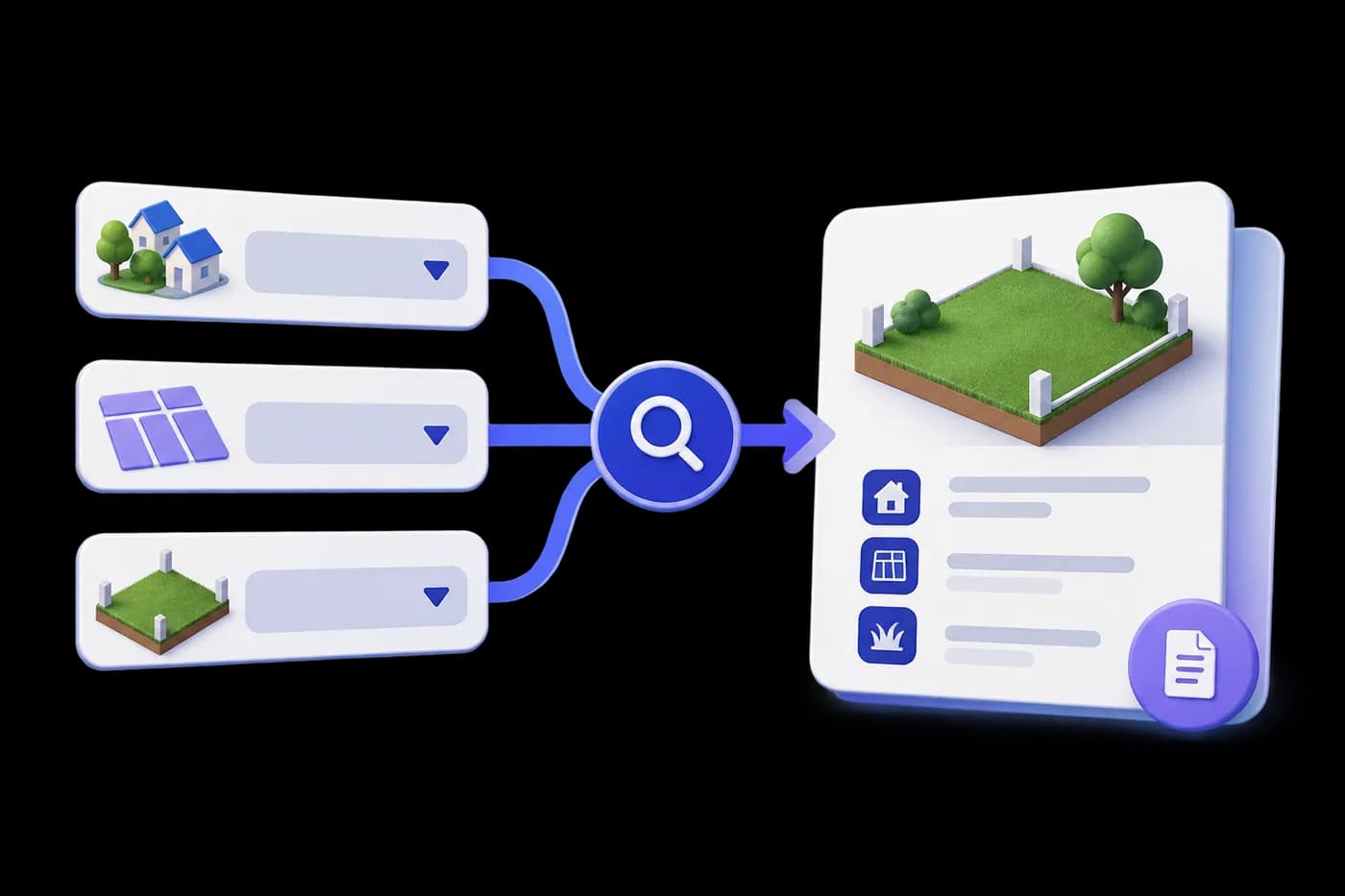
The four searches APCRDA publishes
Start at APCRDA's Know Your Plot page, which links to all four. The companion page you will also want is final lottery details, which lists the e-lottery allotments of returnable plots.
| Report | What it answers |
|---|---|
| Farmers participated in LPS | Which landowners pooled land under the scheme. This is the search people mean when they ask for plot search by name. |
| Mutations on returnable plots | Whether a returnable plot has been transferred since it was allotted, and how many times. |
| Village-wise mutations on returnable plots | The same, filtered to one village, which is the practical way to use it. |
| AIS officers plot allotment | Plots allotted to All India Service officers, kept separate from the farmers' returnable plots. |
What an LP number is, and what it is not
LP stands for land pooling. Around Amaravati, the LP number is the reference that links a landowner's place in the scheme to the plot given back for that land. It is worth following, because it connects the farmer, the pooled survey number and the returnable plot.
On its own it is not proof of title. Plenty of plots with a genuine LP number are still unregistered, still provisional, or already sold once. What settles the question is the final allotment certificate under the LPS rules, together with the registered deed in the seller's name. Our documents page sets out what each paper actually proves.
A practical order to search in
- Ask the seller, in writing, for the village, layout unit, plot number, extent, and the name the plot is registered in.
- Open Know Your Plot and run the farmers-participated report for that village to confirm the pooling landowner exists and matches the name you were given.
- Run the village-wise mutation report to see whether that returnable plot has already changed hands.
- Check the final lottery details page to confirm the allotment itself.
- Place the plot on the map using the GIS portal so you know what you are buying, not just that it exists on paper.
- Then, and only then, pay for an encumbrance certificate and a title opinion from your own advocate.
If a search returns nothing
A blank result still tells you something. The spelling may differ from the revenue record. The plot may sit in a different village unit from the one you were told. The allotment may never have been finalised, or the plot may not exist as described. Ask the seller for the final allotment certificate, and if it cannot be produced, walk away. APCRDA's unit offices in the capital villages will confirm a plot's status, and you can also send us the details for a first check.
Questions people ask
How do I search an APCRDA plot by name?
Open APCRDA's Know Your Plot page and use the farmers-participated-in-LPS report, which lists the landowners who pooled land under the scheme. Match the spelling to the revenue record rather than to the seller's spelling.
What is an LP number in Amaravati?
LP stands for land pooling. It is the reference that ties a landowner's participation in the scheme to the plot returned against it. It is a useful lead, not proof of title.
Is there an APCRDA plot search PDF?
The reports are generated on the APCRDA website and can be printed or saved from the browser. Treat any PDF circulating outside crda.ap.gov.in as unverified until you regenerate it yourself.
Can I check who owns a plot now?
The mutation reports show transfers of returnable plots, and the registered deed plus an encumbrance certificate from IGRS Andhra Pradesh confirm the current owner. No single APCRDA page answers ownership on its own.
Want a straight answer about a plot or a village?
We live and work in the capital villages. Send the survey number or LP number and we will tell you what we know, including the things that should make you pause.