Compare
LPS plot or agriculture land: an honest comparison
Same region, two very different things to own. One is a surveyed plot in a government layout. The other is a field with a possibility attached.
Last reviewed
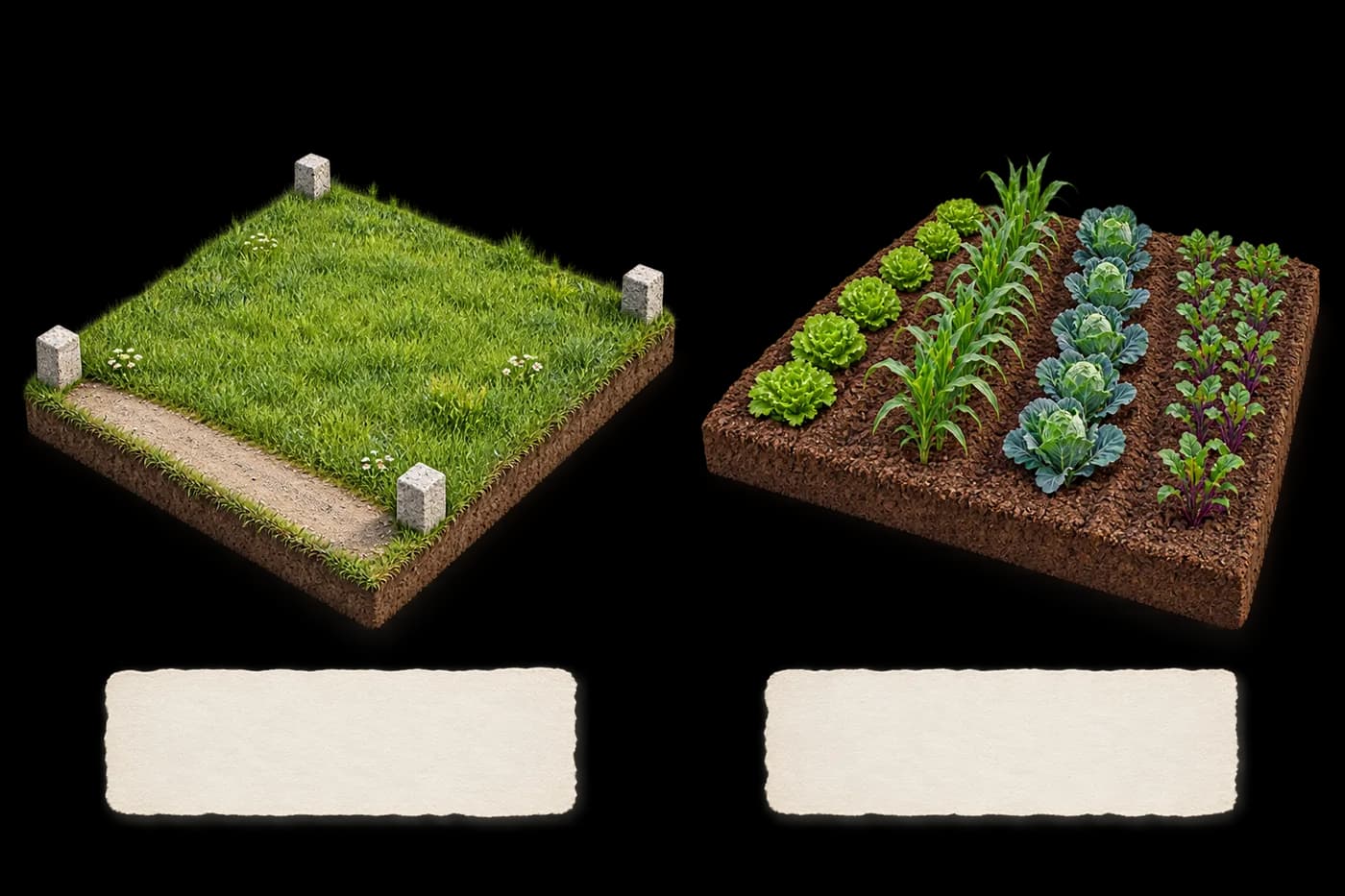
Side by side
| LPS returnable plot | Agriculture land | |
|---|---|---|
| Unit of sale | Square yards, typically 150 to 1,000 | Acres and cents |
| Title | Chain from APCRDA allotment; clear when final and registered | Revenue title; longer chains, more disputes |
| Infrastructure | Planned by layout; delivered unevenly, ₹3,859 crore programme under way | None; access by customary paths |
| Who may buy | Residents, NRIs and OCIs (non-agricultural) | Residents only; not NRIs or OCIs |
| Pooling exposure | None; already pooled | Full, in Phase 2 villages |
| Building | Permitted with APCRDA sanction | Needs conversion and layout approval |
| Ease of selling | Active market; monthly lotteries add supply | Slower; buyers are farmers, poolers or long holders |
| Price per sq yd | High | Low |
Who should buy which
- NRIs: LPS plots only.
- If you plan to build within five years: an LPS plot in a unit where the amenities have reached the street.
- A farmer or a family that wants to join Phase 2 pooling: agriculture land in a notified village, bought with its pooling status disclosed.
- A patient long-term holder who knows the area: farmland outside the notified villages, priced as farmland.
Questions people ask
Which appreciates more, LPS plots or farmland?
Farmland can rise more in percentage terms if it is later pooled or becomes urban land, and it can fall further if it is not. LPS plots move with the roads and services delivered in their own unit. Neither is guaranteed.
Want a straight answer about a plot or a village?
We live and work in the capital villages. Send the survey number or LP number and we will tell you what we know, including the things that should make you pause.